New EPC Regulations for Landlords: How to Reach EPC C by 2030 with the Right Insulation
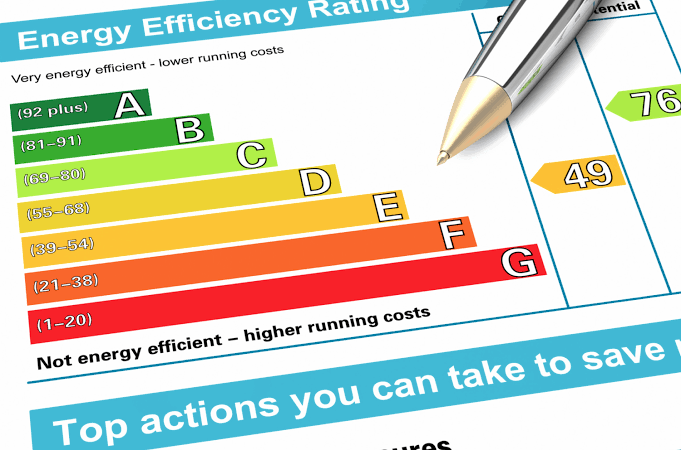
The government has now confirmed the biggest change to rental property energy standards in a decade. From 1 October 2030, all privately rented homes in England and Wales must have an EPC rating of C or above — for every tenancy, new or existing — or the landlord must register a valid exemption.
If your rental property in Warrington, Cheshire or anywhere across the North West is currently rated D, E, F or G, the clock is ticking. The good news? The government’s own guidance is “fabric first” — and insulation is exactly what we’ve been doing for over 30 years.
What’s changed?
In January 2026, the government confirmed the new Minimum Energy Efficiency Standards (MEES) as part of its Warm Homes Plan:
- One single deadline — 1 October 2030 for all tenancies, replacing the earlier phased 2028/2030 proposals.
- A £10,000 cost cap per property — landlords won’t be required to spend more than this to reach EPC C. For homes valued under £100,000, the cap is lower, at 10% of the property’s value.
- Spending counts from 1 October 2025 — money you’ve already invested in qualifying energy efficiency improvements counts towards your cap, so keep your invoices.
- Fines of up to £30,000 per property for non-compliance once the rules take effect.
- A “fabric first” approach — the new EPC system measures Fabric Performance as its primary metric. In plain English: insulation, draught-proofing and heat retention come before anything else.
Around 2.5 million rental properties in England currently sit below band C, and the government estimates the average upgrade cost at roughly £5,400–£6,800 — well within the cap for most homes, especially when the biggest wins come from insulation.
Why insulation is the fastest route to EPC C
Most homes lose around 45% of their heat through the roof and up to 25% through the walls. That’s why insulation measures typically add more EPC points per pound than almost anything else:
Loft insulation — one of the cheapest, highest-impact upgrades available. Topping up thin or missing loft insulation to the recommended depth can lift a property a full band on its own in some cases.
Cavity wall insulation — our injected insulation completely fills the cavity from bottom to top, giving an airtight, watertight seal that directly boosts the Fabric Performance score the new EPCs are built around.
Multi foil insulation — ideal for room-in-roof conversions and awkward spaces where traditional insulation won’t fit.
Landlords: check your loft for spray foam
One thing the new rules make even more urgent — if a previous owner or installer put spray foam insulation in the loft, it can cause problems with EPC assessments, surveys, mortgages and roof timber condition. We are specialists in spray foam removal, safely stripping it out, treating the timbers and re-insulating correctly so the property is ready for its next EPC.
What should landlords do now?
- Find your current EPC rating — check the government EPC register. If you’re already at C with a valid certificate, you may not need to act until it expires.
- Book a free survey — we’ll assess the roof, walls and problem areas and tell you honestly which improvements will move your rating.
- Do the fabric work first — insulation and draught-proofing before boilers, panels or gadgets. It’s what the new EPC metrics reward, and it’s usually the cheapest step.
- Keep every invoice — spend from 1 October 2025 counts towards your £10,000 cap and any future exemption application.
- Don’t leave it until 2029 — 2.5 million properties need work and tradespeople will be in short supply. Early movers get better prices and better availability.
Frequently asked questions
Do the new EPC rules apply to existing tenancies? Yes. Unlike earlier proposals, there’s a single deadline: all tenancies — new and existing — must meet EPC C by 1 October 2030 unless a valid exemption is registered.
What if my property can’t reach EPC C? If you’ve spent up to the £10,000 cost cap on relevant improvements and the property still can’t reach a C, you can register a cost cap exemption. Other exemptions exist too, such as where a tenant refuses consent for works.
How much does it cost to get a rental property to EPC C? The government estimates an average of around £5,400–£6,800, but many properties need far less. A loft top-up and cavity wall insulation are often the most cost-effective starting point — a free survey will give you an accurate figure for your property.
Does this apply in Scotland? Scotland is on a separate timeline. The rules above apply to privately rented homes in England and Wales.
Will insulation upgrades increase my property’s value? An energy-efficient property is cheaper for tenants to run, easier to let, and increasingly attractive to buyers and mortgage lenders — so compliance work generally protects and adds value rather than being a sunk cost.
Get your rental property EPC-ready — free survey
H&J Energy Solutions are home insulation specialists based in Warrington, working across the North West and the UK. With over 30 years’ experience, free no-obligation surveys and flexible working hours, we make it simple for landlords to bring one property — or a whole portfolio — up to the new standard.
Call 073 5919 5156 or get a quotation today.