Insulating Victorian and Edwardian Terraces in Manchester: What Works
Manchester’s terraced streets — Victorian and Edwardian two-up two-downs, through terraces and bay-fronted houses — are some of the most characterful homes in the North West. They’re also some of the hardest to keep warm. Thick-looking walls that are actually solid brick, small lofts, single-skin back extensions and a lifetime of draughts all add up.
The good news is there’s a sensible order to tackle them in, and most of it doesn’t involve losing room space.
Start with the roof
Even in a small terrace, the roof is where a large share of heat escapes. Most terraces have a loft space over the main house and sometimes over the rear extension too. Topping these up to the recommended depth with loft insulation is quick, affordable and effective.
Where the loft has been converted, or the house has a room in the roof, insulating the sloping ceilings with a thin product such as multi foil insulation gives good performance without eating into headroom.
Solid walls: keep them dry
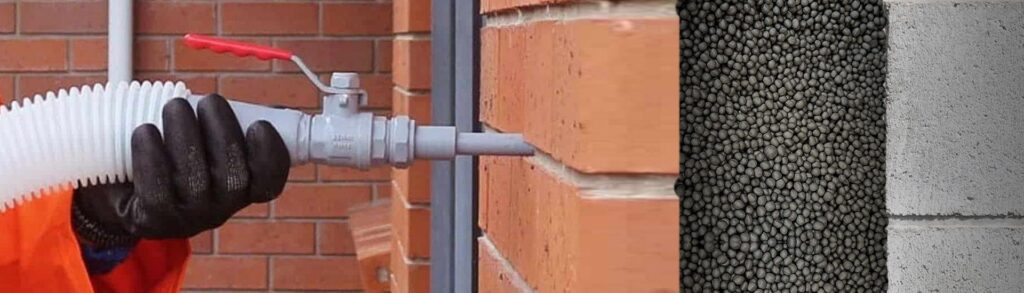
Most pre-1920s terraces have solid brick walls, with no cavity to fill. Cavity insulation isn’t an option for these walls, and internal wall insulation means losing floor space and disturbing every room.
What makes a big difference is keeping the brickwork dry. A damp solid wall conducts heat away roughly twice as fast as a dry one. A breathable ProPerla wall coating on exposed elevations — typically the gable ends of end-terraces and walls facing the weather — dramatically reduces how much rain the brick absorbs while still letting the wall breathe. That’s important in old houses, which were built to manage moisture by letting it evaporate.
Back extensions
Many terraces have later rear extensions — kitchens and bathrooms — which may have cavity walls, single-skin walls or flat roofs. These are often the coldest rooms in the house. Depending on construction, cavity wall insulation may be possible here even where the main house is solid-walled.
Draughts
Old sash windows, gaps under floorboards, open fireplaces and letterboxes can account for a lot of heat loss in an older terrace. Sealing these is cheap and makes the house feel noticeably warmer.
Landlords
Many Manchester terraces are rented, and landlords are looking at what’s needed to reach EPC C. The steps above — roof insulation, keeping walls dry and dealing with extensions — are usually the most practical starting points for an older terrace.
Common questions
Can solid walls be insulated at all? Yes, but the options are more limited and more disruptive than cavity fill. We’ll go through what’s realistic for your house.
Do you work in Manchester? Yes — we work across Greater Manchester as well as Warrington and the surrounding towns.
Free survey for your terrace
We’ll look at your house and tell you what’s worth doing first. Over 30 years’ experience, all work and materials guaranteed.
Call 073 5919 5156 or get a quotation today.